
Sleep Apnea

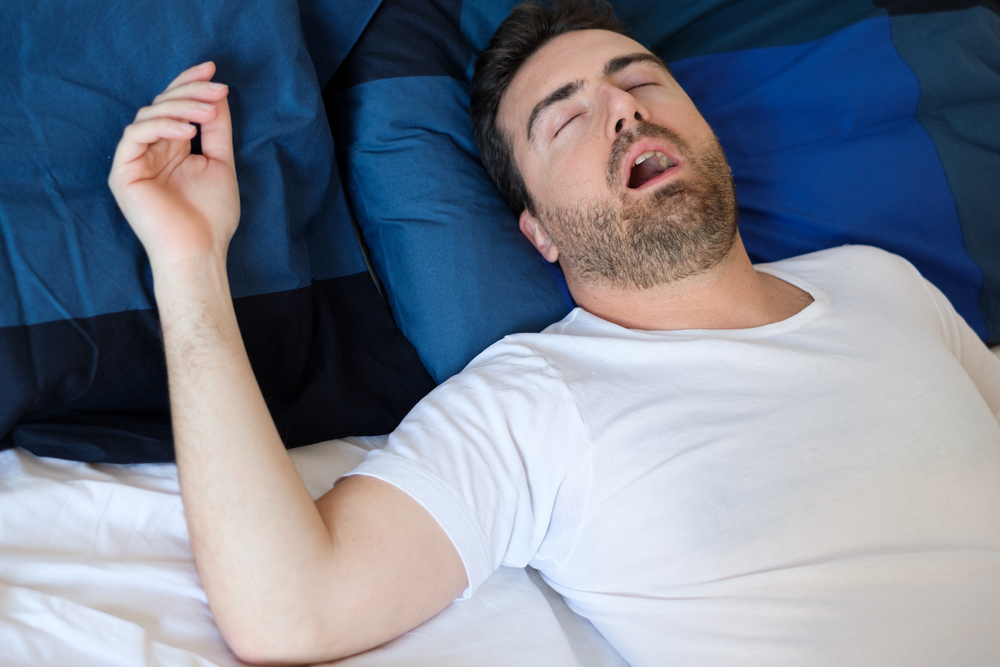
Loud snoring, constant fatigue, and waking up gasping for air are more than just annoying sleep disruptions—they’re warning signs your body is struggling to breathe properly at night. Sleep apnea affects millions of people who don’t even realize their breathing stops repeatedly while they sleep, preventing them from getting the restorative rest they desperately need.

Dr. Tina Mobasseri and our team at Point Loma Comprehensive Dental specialize in treating this serious condition with comfortable, effective solutions that help you breathe easier and finally experience the quality sleep that transforms your health and daily life.
Schedule Appointment

How Sleep Apnea Affects Your Breathing and Health

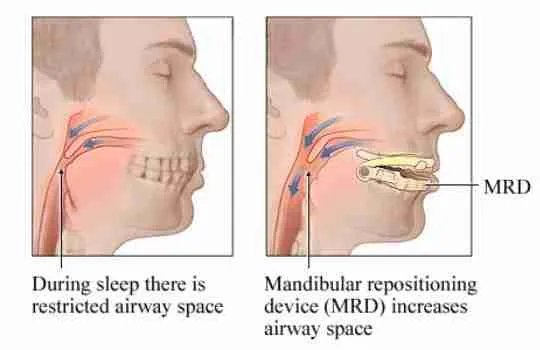
Sleep apnea is a disorder where your breathing stops and starts repeatedly throughout the night. The term “apnea” literally means “without breath,” and these interruptions can happen dozens or even hundreds of times while you sleep. When your airway becomes blocked or collapses, your brain jolts you awake just enough to restart breathing. You might not even remember these episodes, but they prevent you from reaching the deep, restorative sleep your body needs.

The most common form is obstructive sleep apnea, which occurs when the muscles in your throat relax too much and block airflow. This condition doesn’t just affect your energy levels. Poor airway health creates a domino effect throughout your mouth. When your airway is restricted, you often breathe through your mouth, which dries out your saliva. Without adequate saliva to wash away bacteria, you become more vulnerable to cavities, gum disease, and persistent bad breath.

Benefits of Sleep Apnea

Better Quality Sleep Leads to Improved Energy

When you treat sleep apnea, you finally experience uninterrupted sleep cycles that allow your body to fully rest and recover. Your brain reaches the deep sleep stages it needs to process information and consolidate memories. You’ll wake up feeling refreshed rather than groggy, and you’ll notice a significant boost in your daytime energy levels. Simple tasks that once felt exhausting become manageable again, and you can focus better throughout your day.

Reduced Risk of Serious Health Complications

Untreated sleep apnea puts tremendous stress on your cardiovascular system, increasing your risk of high blood pressure, heart disease, and stroke. The repeated oxygen deprivation during sleep episodes forces your heart to work harder. By addressing sleep apnea, you lower these dangerous health risks and give your body the oxygen it needs throughout the night. Your overall health improves when your breathing returns to normal patterns during sleep.

Protection for Your Teeth and Gums

Sleep apnea and mouth breathing create an environment where harmful bacteria flourish in your mouth. When you resolve breathing issues, your saliva production normalizes and helps protect your teeth from decay. You’ll experience less tooth grinding, which means your enamel stays intact and your jaw feels more comfortable. Healthy breathing patterns support better oral health and reduce your need for dental interventions down the road.

Improved Relationships and Quality of Life

Loud snoring and restless sleep don’t just affect you—they disrupt your partner’s rest too. Many couples end up sleeping in separate rooms because of untreated sleep apnea. When you get treatment, both you and your partner can finally share a peaceful night’s sleep. Your mood improves, your irritability decreases, and you can fully engage in social activities without fighting constant fatigue.

Prevention of Jaw Problems and Facial Changes

Chronic airway issues can lead to abnormal jaw development and bite problems, especially in children. Addressing sleep apnea early helps maintain proper facial structure and tooth alignment. Adults who treat their condition can prevent further jaw pain and tooth wear. Your entire oral structure benefits when your breathing functions the way it should during sleep.

Getting Started with Sleep Apnea Treatment at Our Practice

Why Choose Our Approach to Sleep Apnea Treatment

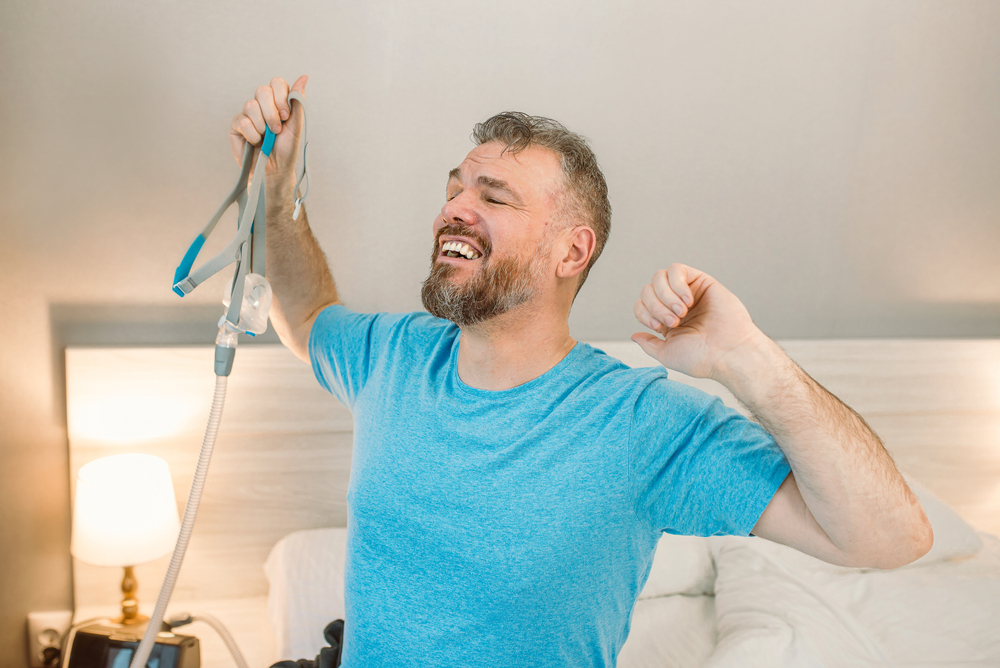
Dr. Tina Mobasseri, DDS and our team at Point Loma Comprehensive Dental have completed extensive specialized training in sleep disorders and airway health. While many people struggle with noisy, uncomfortable CPAP machines and eventually give up on treatment, Dr. Mobasseri offers a more comfortable alternative through custom oral appliances. These devices have proven highly effective for patients who need a quieter, more convenient solution.

The practice also takes a preventive approach by evaluating children for airway development issues caused by allergies, asthma, enlarged tonsils, or thumb-sucking habits. Early intervention can prevent breathing problems from developing later in life. You can trust Dr. Mobasseri’s expertise and commitment to helping patients of all ages achieve better sleep and improved overall health through comprehensive dental care.

Point Loma Dentist

Get the Restful Sleep You Deserve!

You don’t have to accept exhausting nights and foggy days as your new normal. Effective treatment for sleep apnea can transform your health, energy, and quality of life. Dr. Tina Mobasseri at Point Loma Comprehensive Dental is ready to help you breathe easier and sleep better with personalized care that fits your lifestyle. Connect with us on Facebook to learn more about our approach to sleep health, or call today at 619-222-7400 to schedule your consultation and take the first step toward truly restorative sleep.

Schedule Appointment

FAQs

What is sleep apnea?

Sleep apnea is a disorder where your breathing repeatedly stops and starts while you’re sleeping, sometimes hundreds of times per night. These interruptions happen when your airway becomes blocked or collapses, preventing air from reaching your lungs. Common symptoms include loud snoring, sudden awakenings with gasping or choking sounds, and feeling excessively tired during the day despite spending enough time in bed.

What causes sleep apnea?

The most common cause is obstructive sleep apnea, which occurs when the muscles in your throat relax too much during sleep and block your airway. Factors like excess weight, large tonsils, a thick neck, or the natural shape of your jaw and airway can increase your risk. Lifestyle factors such as alcohol consumption, smoking, and sleeping position can also contribute to airway collapse during sleep.

Can sleep apnea be cured?

While sleep apnea can be effectively managed and controlled, whether it’s “cured” depends on the underlying cause and treatment approach. Weight loss, positional therapy, and oral appliances can significantly reduce or eliminate symptoms for many patients. In some cases, surgical interventions to remove excess tissue or correct structural problems may provide a permanent solution, though ongoing management is typically necessary.

How to tell if you have sleep apnea?

The most obvious signs include loud snoring, waking up gasping for air, and feeling exhausted no matter how much you sleep. You might also experience morning headaches, difficulty concentrating, mood changes, or frequent nighttime urination. If your partner notices that you stop breathing during sleep or you answer yes to frequently feeling fatigued and falling asleep easily during the day, you should seek a professional evaluation.

Is sleep apnea genetic?

Yes, genetics can play a role in your risk of developing sleep apnea, particularly through inherited physical traits. If your family members have sleep apnea, you may have inherited a similar jaw structure, airway size, or tendency toward certain conditions that increase risk. However, lifestyle factors and overall health also significantly influence whether you’ll develop the condition, so having a family history doesn’t guarantee you’ll experience sleep apnea.